Labrador Retriever
Sporting Group
AKC RecognizedBest for active families
📏 Size
Large
⚖️ Weight
25 - 36 kg
🕐 Lifespan
11 - 13 years
🌍 Origin
Canada
🐕 Shedding
High
✂️ Grooming
Every few weeks
Energy Level
high
Exercise: 1.5–2+ hrs a day
A guide for a healthy adult. Puppies, older dogs and flat-faced breeds in the heat need less.
Good to know
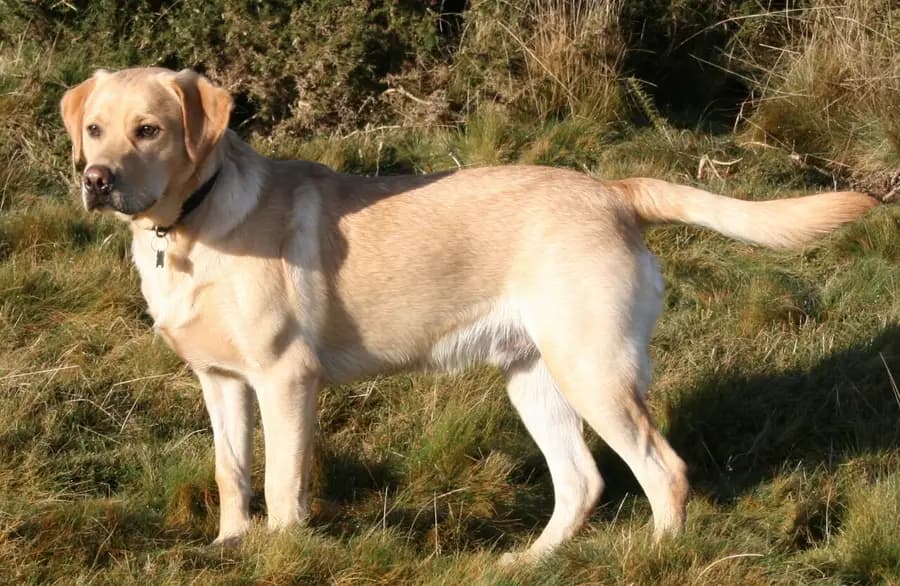
- Natural swimmers: bred to retrieve in cold water, they have a water-resistant double coat and a thick "otter" tail they use like a rudder.
- Born retrievers: many love to fetch and carry things in their mouths, and this is great to channel into play.
- Shedding: they shed year-round, with heavier seasonal shedding, so weekly brushing helps.
- Energetic and eager: they need plenty of daily exercise and enjoy training, and are typically friendly with people and other dogs.
- Food-motivated: their love of food makes treat-based training easy, but portions need watching.
Getting out with a Labrador Retriever
They need daily exercise beyond a stroll: longer trails, games of fetch and time to run at the park.
Common health considerations
Inherited conditions to ask your vet about
- Hip/elbow dysplasia
- Obesity gene (POMC)
- Exercise-induced collapse
Common issues
- Obesity
- Joint issues
- Ear infections
Bloat (GDV) risk: moderate. A swollen belly with retching but nothing coming up is an emergency: go to a vet straight away.
Not every Labrador Retriever will have these. Good breeders screen for inherited conditions, and your vet can advise on testing and check-ups.
Keep your dog's records in the Health VaultExplore more breeds in the Sporting group
Browse Sporting Breeds